
"Korea coffee chain"
200 article(s) found
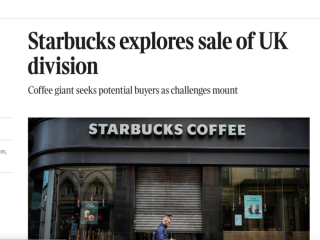
Can't stand it?! Starbucks is considering selling Europe's largest market
Starbucks is considering selling its UK business because of competition from coffee shop chains such as PretA, Manger, TimHortons and Costa, the Times reported on July 16. According to the report, a person familiar with the matter revealed that Starbucks has

Open Coffee Shop Business School: Why are Koreans so successful in opening coffee shops?
What brands are the most popular cafes in China's first-tier and second-tier cities in the past two years? The answer is not Starbucks, nor COSTA, but all kinds of cafes with Feel: Coffee with You, Man Coffee, Zoo Coffee, Hollis Coffee, Road Coffee and so on. These cafes have one thing in common: they are all Korean! Coffee? Come on, it's just a little prop!

The way to run a cafe Why are Koreans so successful in opening cafes?
What are the most popular cafes in China's first-and second-tier cities in the past two years? The answer is not Starbucks or COSTA, but all kinds of cafes with Feel: coffee with you, coffee from the zoo, coffee from Hollis, coffee from the road, and so on. These cafes have one thing in common: they are all founded by Koreans! Coffee? Come on, it's just a little prop!

Why are Koreans so successful in opening cafes?
What are the most popular cafes in China's first-and second-tier cities in the past two years? The answer is not Starbucks or COSTA, but all kinds of cafes with Feel: coffee with you, coffee from the zoo, coffee from Hollis, coffee from the road, and so on. These cafes have one thing in common: they are all founded by Koreans! Why are Koreans so successful in opening cafes? In these two years,

Why do Koreans open cafes so successfully? the characteristics of ice drop coffee in Chinese coffee network
Why are Koreans so successful in opening cafes? Release time: what are the most popular cafes in China's first-and second-tier cities in 2014-06-07? The answer is not Starbucks or COSTA, but all kinds of cafes with Feel: coffee with you, coffee from the zoo, coffee from Hollis, coffee from the road, and so on. These cafes have one thing in common.
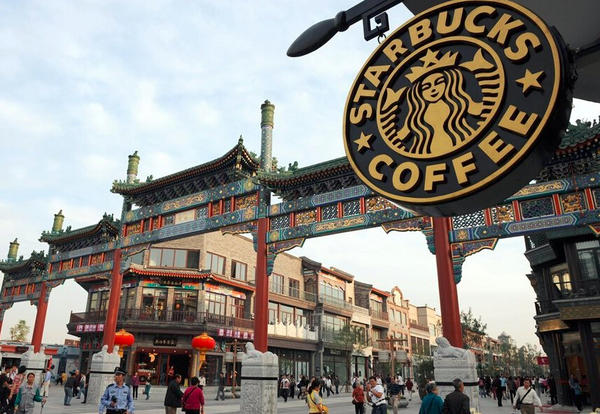
An inventory of the Development of International Cafe chains in China
From Best Buy to B & Q, many foreign retail brands have encountered a Waterloo in China, and successful business models in the domestic market cannot be replicated in China. But the international coffee chain is an exception, and although it seems least likely to gain a foothold in China compared with other retail sectors in Western countries, it has been a great success. The Financial Times made an in-depth report on this phenomenon. Although there are thousands in China
Cafes of Guangzhou Man Coffee chain
Diffuse coffee netizen Lake Water: the diffuse coffee environment from South Korea is the most commendable, with a reductionist design style, Turkish lighting, retro tables and chairs, and hierarchical space, which makes people very comfortable as soon as they come in. This coffee shop in Hebei is the first shop in Guangzhou, it is convenient to order food on the first floor, the second floor is suitable for best friend chat, and the third floor is smoking floor, with an outdoor platform. Comfort is also reflected in different styles here.
The "Korean Wave" of coffee consumption market is surging.
With the growth of young and fashionable people and the substantial growth of returnees and overseas travelers, coffee culture has developed rapidly in China, and cafes have become a popular place for modern urbanites to gather and relax. Statistics show that coffee consumption in China is growing at an annual rate of 10% to 15%, and the number of cafes has doubled in the past five years. Annual per capita consumption of coffee in Japan and South Korea
Coffee consumption market "Korean Wave" surging market space is huge
With the growth of young and fashionable people and the substantial growth of returnees and overseas travelers, coffee culture has developed rapidly in China, and cafes have become a popular place for modern urbanites to gather and relax. Statistics show that coffee consumption in China is growing at an annual rate of 10% to 15%, and the number of cafes has doubled in the past five years. The annual per capita consumption of coffee in Japan and South Korea has reached 3.
An inventory of the Development of International Cafe chains in China Coffee Culture in Starbucks Coffee Market
From Best Buy to B & Q, many foreign retail brands have encountered a Waterloo in China, and successful business models in the domestic market cannot be replicated in China. But the international coffee chain is an exception, and although it seems least likely to gain a foothold in China compared with other retail sectors in Western countries, it has been a great success. The Financial Times made an in-depth report on this phenomenon. Although there are thousands in China
Behind the rapid expansion of coffee with you and diffuse coffee: coffee is just a prop.
Communicating with Zhuang Jingyang, founder of Dajia Tea, he revealed that the real reason behind the success of many cafes and teahouses is not selling tea and coffee, but selling space. This is why Korean coffee shop brands have been invincible recently. The most popular cafe brand in China's first-and second-tier cities in the past two years is neither Starbucks nor COSTA, but a variety of Feel brands.

Nanjing Dixiaoke Coffee chain Cafe-De Chocolate Coffee Coffee suitable for Photo
Professional coffee knowledge exchange more coffee bean information please follow the coffee workshop (Wechat official account cafe_style) Nanjing chain coffee shop De Chocolate Coffee: full of chocolate sweet recommendation reason although DE CHOCOLATE COFFEE is a coffee brand chain established in South Korea in 2007, it is very popular in China because of the quality of food and drinks and the decoration of the shop environment.
South Koreans are poisoned by coffee.
[Cui Jietong, special correspondent of the Global Times to South Korea] Cui, look! Looking along the fingers of Zhu Shenghe, a reporter from South Korea's East Asia Daily, the reporter saw that the three coffee shops were close to each other (pictured), and the lights reflected the rainy night. There are so many coffee shops that we are all poisoned! He said. The place where we are standing is near the Gangnam City Plaza Hotel in Ricao District, Seoul.

South Koreans are poisoned by coffee.
Source: global Times [Global Times special correspondent Cui Jietong] Cui, look! Looking along the fingers of Zhu Shenghe, a reporter from South Korea's East Asia Daily, the reporter saw that the three coffee shops were close to each other (pictured), and the lights reflected the rainy night. There are so many coffee shops that we are all poisoned! He said. The place where we stand is Gangnam City Square, Ruicao District, Seoul.
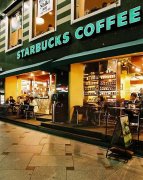
Starbucks stores in Seoul rank first in the world.
Starbucks, an American coffee chain, entered South Korea in 1999, and now Seoul has become the main sales market of Starbucks. From a national point of view, South Korea has a total of 632 stores, ranking sixth out of 63 Starbucks countries, behind the United States (11563), Canada (1396), China (1219), Japan (1039) and the United Kingdom (784).

Is there any secret for Koreans to open cafes so successfully?
What are the most popular cafes in China's first-and second-tier cities in the past two years? The answer is not Starbucks or COSTA, but all kinds of cafes with Feel: coffee with you, coffee from the zoo, coffee from Hollis, coffee from the road, and so on. These cafes have one thing in common: they are all founded by Koreans! Coffee? Come on, it's just a little prop!

The top ten coffee brands in Korea recommend the introduction of better coffee brands in South Korea.
Professional coffee knowledge exchange more coffee bean information Please follow the coffee workshop (Wechat official account cafe_style) if you are tired of sightseeing or shopping in Korea and want to find a place to rest, the following Korean coffee brand stores will be a good choice. The Coffee Bean Tea Leaf (since1963) used to be an American brand, similar to Starbucks, with a high market share in South Korea.
Look like a god, not like Korean coffee or repeat the same mistake of table coffee.
On the streets of Beijing and Shanghai, there are some Korean cafes with large floor-to-ceiling windows, pastoral and forest decoration, multi-woody and retro objects, coffee mainly selling fancy sweet drinks, and Korean cafes with dessert foods such as waffle. In the last two or three years, Korean coffee has been distributed in the Chinese market and has shown a trend of rapid development. With the help of coffee products
Korean coffee brands run by cafes are caught in the storm of "frequent closures"
Caffe bene, a coffee brand from South Korea, closes its shop frequently and faces operational difficulties. The news stems from revelations from its internal employees to the media: coffee accompanies you due to poor management, the Chinese company is now frantically closing stores across the country, and there are a series of problems, such as arrears of wages, arrears of suppliers for goods, deceiving franchisees and so on. The employee said that the wages of most employees in October have not yet been paid.

Mcnulty that attracts taste buds in the origin of coffee
Photo caption: Mcnulty represents Li Yinzhen, the largest quantity of goods shipped by sea in the world over the past decade is not rice, wheat and wood, but coffee. Today, 100 years after coffee was introduced into South Korea, South Korea consumes more than 230 cups of coffee (2.29kg) per capita every year, and coffee has become the most popular hobby. As a result, the import of coffee beans is constantly refreshed every year.